Armed Ball Design Review
As an embroidery designer and product reviewer, I’ve evaluated countless machine embroidery designs. Armed Ball Design stands out for its bold visual identity and versatility in real-world projects. Whether you're working on custom apparel, personalized gifts, or small business merchandise, this design has potential—but it also requires careful consideration to ensure it meets your project’s needs.
The First Impression: Bold, Dynamic, and Unconventional
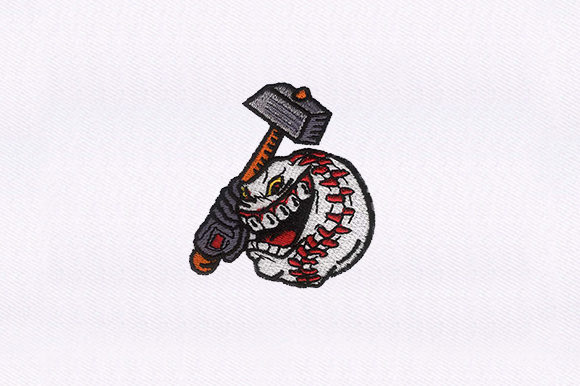
Armed Ball Design immediately grabs attention with its striking imagery. The composition is clean yet dramatic, featuring a central ball that appears "armed" with intricate details. The shape is geometric but not rigid, giving it a modern edge that can work across different styles. It feels like a design meant for something eye-catching—perhaps a statement piece or a unique twist on traditional motifs.
The layout is well-balanced, with enough detail to keep it visually engaging without becoming overwhelming. This makes it suitable for a range of applications, from simple embroidered patches to more complex custom apparel. However, the design’s intensity might not fit every project, so it’s important to consider the context before using it.
Real-World Use Cases: Where It Shines and Where It Might Fall Short
Armed Ball Design works best on larger, flat surfaces where its details can be fully appreciated. For example, when used as a tote bag design, it adds a strong visual presence that can elevate a basic item into a standout piece. On sweatshirts or t-shirts, it offers a modern aesthetic that appeals to a younger, trend-conscious audience.
It also has potential in baby items, such as onesies or blankets, where the boldness of the design can make a playful statement. However, for smaller projects like caps or aprons, the scale may feel too large or overwhelming. In these cases, it’s worth testing the design at reduced sizes to see how it translates.
For commercial embroidery projects, Armed Ball Design could be a valuable asset. Its clean lines and strong composition make it ideal for branded merchandise, promotional items, or boutique products. But if you're targeting a more minimalist or traditional market, this design might not align with the expected aesthetic.
Technical Performance: Stitching Clarity and Fabric Compatibility
When evaluating a machine embroidery design, stitch density and fabric compatibility are key factors. Armed Ball Design features a mix of satin stitch, fill stitch, and running stitch, which contributes to its sharp, defined look. However, the design’s complexity may require a larger hoop size to avoid stitching issues or misalignment.
On textured or stretchy fabrics, the design may show some distortion, especially around the detailed areas. Thin or dark fabrics can also affect the visibility of the design, so it’s essential to test it on the intended material before finalizing a project. Using the right stabilizer is crucial to prevent puckering or shifting during the stitching process.
For small hoop sizes, the design might need to be split or scaled down. This can impact the overall look, so it’s important to review the embroidery file formats provided. If you’re planning to use this design for a patch or applique, ensure that the file is optimized for those applications.
Design Considerations: When to Use It and When to Be Cautious
Armed Ball Design is best suited for projects where visual impact is a priority. It excels on items like custom jackets, decorative pillows, or holiday-themed gifts. However, it may not be the best choice for delicate or intricate work, such as baby clothes with tiny lettering or curved surfaces like caps.
If you're aiming for a subtle, elegant look, this design might feel too aggressive. It also requires careful color selection, as the contrast between thread colors and fabric backgrounds can significantly affect the final result. Testing the design in black and white mockups can help you assess how it will appear on different materials.
For commercial use, always check the licensing terms before selling finished products or digital embroidery files. While the design may be versatile, it’s important to confirm that it aligns with your business model and legal requirements.
Practical Tips for Embroidery Designers and Crafters
Before using Armed Ball Design in a real project, follow these steps:
- Test on scrap fabric to evaluate how the design looks and stitches on your chosen material.
- Check thread color contrast to ensure the design stands out against the background fabric.
- Review stitch density to avoid issues with fabric puckering or thread breakage.
- Confirm hoop size to ensure the design fits comfortably within your machine’s capabilities.
- Inspect small details to verify that the design maintains clarity at different scales.
- Use proper stabilizer to support the fabric and prevent distortion during stitching.
- Compare light and dark fabric backgrounds to determine the best application for your project.
These steps can help you get the most out of Armed Ball Design while avoiding common pitfalls. Whether you're creating handmade products for Etsy or designing for a craft fair, taking the time to test and refine your approach can make a big difference in the final outcome.
Final Thoughts: A Design That Demands Attention
Armed Ball Design is a strong, dynamic option for embroidery projects that require a bold visual statement. It has the potential to elevate a wide range of products, from custom apparel to holiday gifts. However, its success depends on how well it's adapted to the specific needs of each project.
For embroidery designers, small business owners, and crafters, this design offers both creative opportunity and practical challenges. By approaching it with care and attention to detail, you can turn it into a compelling addition to your collection of machine embroidery designs.