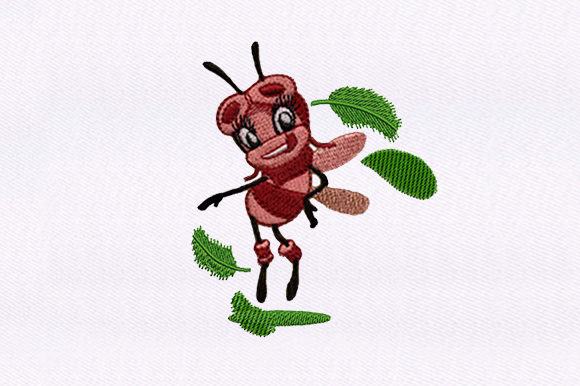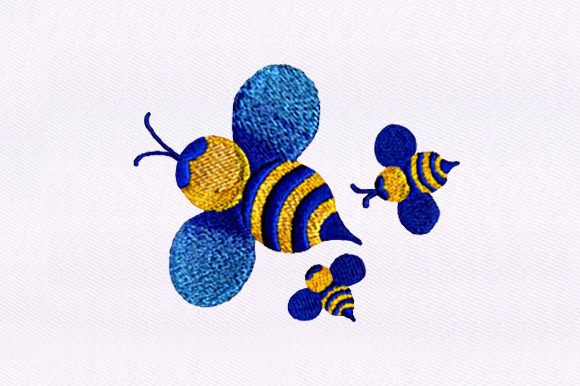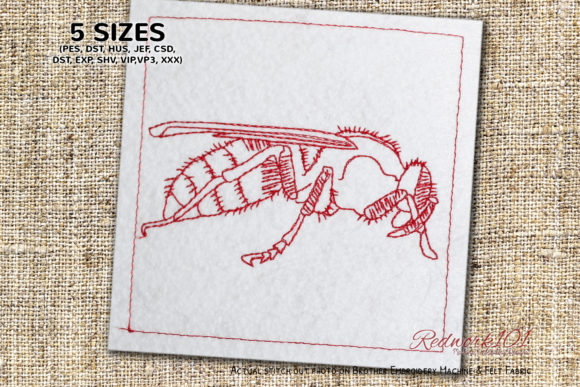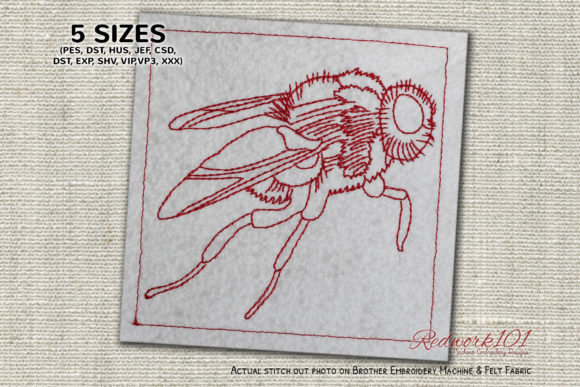
Hymenoptera Embroidery Design Review
First Impressions of Hymenoptera
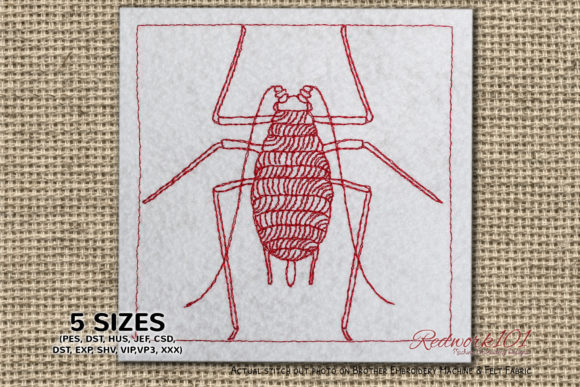
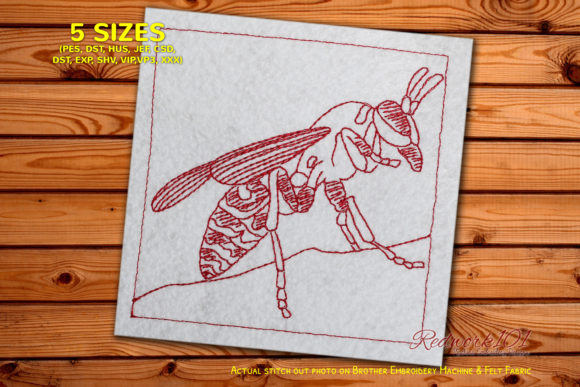
From the moment I laid eyes on Hymenoptera, it immediately caught my attention. The design has a bold, intricate feel that leans into the natural world, with a focus on the detailed structure of insects. The layout is balanced and visually engaging, making it ideal for projects that require a sense of artistry and precision.
The theme of Hymenoptera—named after a group of insects like bees and wasps—gives it a unique edge. It’s not just a simple bug motif; it feels more like a study in form and texture. The level of detail suggests it could work well as an applique design or a complex satin stitch piece.
This design would naturally fit into custom apparel, baby items, or even holiday-themed gifts. Its visual personality is both artistic and slightly edgy, which makes it stand out in a market filled with more traditional embroidery themes.
Real-Life Use Cases for Hymenoptera
Imagine you’re working on a custom embroidered tote bag for a client who wants something unique. Hymenoptera could be the perfect addition. The design’s complexity would add visual interest without overwhelming the overall look. It would work especially well on larger surfaces like tote bags or sweatshirts where the details can shine.
For a small business owner, this design could be a great addition to an Etsy shop. It offers a fresh take on insect-themed embroidery, which could appeal to customers looking for something different. Whether it’s used on a baby onesie, a patch, or a pillow cover, Hymenoptera brings a sense of creativity and craftsmanship to any project.
If you're creating a printable mockup for a client, Hymenoptera could serve as a strong visual asset. Its clarity and detail make it easy to showcase in digital formats, and it could help set your design apart from others in the same category.
Where Hymenoptera Needs Careful Handling
While Hymenoptera is visually striking, it may not be the best choice for all embroidery situations. If you're working with small hoop sizes, the design might become too dense or difficult to manage. Similarly, on textured fabrics or thin materials, the stitching could appear less defined or distorted.
On stretchy or dark fabrics, the contrast between the thread colors and the background could be an issue. You’ll want to test the design on different fabric types before committing to a final project. For curved surfaces like caps or hats, the design might not sit as smoothly as on flat areas.
Small details, such as tiny lettering or intricate corners, could be challenging to execute with Hymenoptera. If you're planning to use it as a decorative accent, consider how it will interact with other elements of the design. Dense stitch areas might also cause puckering or distortion if not stabilized properly.
Impact on Visual Appeal and Customer Perception
Hymenoptera has the potential to elevate the visual appeal of any handmade product. Its intricate design can make a finished item stand out, especially when used on high-quality fabrics or in well-structured projects. This can increase the perceived value of your product, making it more attractive to customers who are looking for unique, handcrafted items.
When used effectively, Hymenoptera can enhance customer trust. A well-executed embroidery design shows attention to detail and professionalism, which can lead to repeat business and positive reviews. It also adds to the giftability of your products, making them more appealing as personalized gifts or holiday items.
For commercial embroidery projects, Hymenoptera can be a strong brand asset. Its distinctive style helps create a cohesive look across different products, whether it's used on t-shirts, aprons, or promotional merchandise. It also supports brand consistency by maintaining a clear visual identity across multiple platforms.
Practical Designer Notes for Using Hymenoptera
Before using Hymenoptera in a real project, always test it on scrap fabric. This will help you understand how the stitches look on different materials and how the design interacts with the fabric texture. Checking thread color contrast is also essential—especially if you’re working with dark or light backgrounds.
Review the stitch density to ensure it’s appropriate for your project. If the design is too dense, it might cause issues with fabric stability or machine performance. Confirm the hoop size required for the design to avoid any complications during the embroidery process.
Inspect small details carefully, especially if you’re planning to use Hymenoptera in a commercial setting. Test it in black and white mockups to see how it looks without color. Compare it against both light and dark fabric backgrounds to determine the best application.
Using the right stabilizer is crucial, especially for delicate or stretchy fabrics. Make sure the design works for both personal and commercial projects, and always confirm the licensing terms before selling finished items or digital products.
Final Thoughts on Hymenoptera
Hymenoptera is a design that demands respect for its intricacy and visual impact. It’s not a one-size-fits-all solution, but when used correctly, it can bring a unique flair to any embroidery project. Whether you're an experienced designer or a small business owner, this design offers opportunities for creativity and differentiation in a competitive market.
Its versatility makes it suitable for a wide range of applications, from custom apparel to holiday gifts. However, it requires careful consideration of fabric type, stitch density, and hoop size to ensure the best results. With proper testing and execution, Hymenoptera can become a standout piece in your collection of machine embroidery designs.